SHARE:
Short-Term Rental Winter Checklist: 11 Easy Steps for Indianapolis Owners
This short-term rental winter checklist exists for one reason: Indianapolis winters don’t care about your five-star rating. One hard freeze, one unshoveled sidewalk, or one guest who cranks the thermostat down to “arctic explorer” before checkout, and your cozy listing turns into a burst-pipe story nobody wants to tell.
The good news? Most winter headaches are preventable with a little prep and a plan for who does what when the temperature drops. Below are 11 easy steps we’d want every Indy-area owner to work through before the first real cold snap, plus the local rules and official safety guidance behind them.
Why Your Short-Term Rental Needs a Winter Checklist
A home you live in gets checked every day without you even trying. You notice the cold draft, hear the furnace kick on, and see the snow piling up on the walk. A short-term rental can sit empty between bookings, and that’s exactly when small problems turn into big ones.
Winter also changes what guests need from you. They need a clear path to the door, a warm house on arrival, and a quick answer if something feels off. If you’ve read our list of costly short-term rental mistakes, you already know slow responses and skipped maintenance are what sink reviews. Winter just turns up the volume.
The 11-Step Short-Term Rental Winter Checklist
1. Set a thermostat floor (and stick to it)
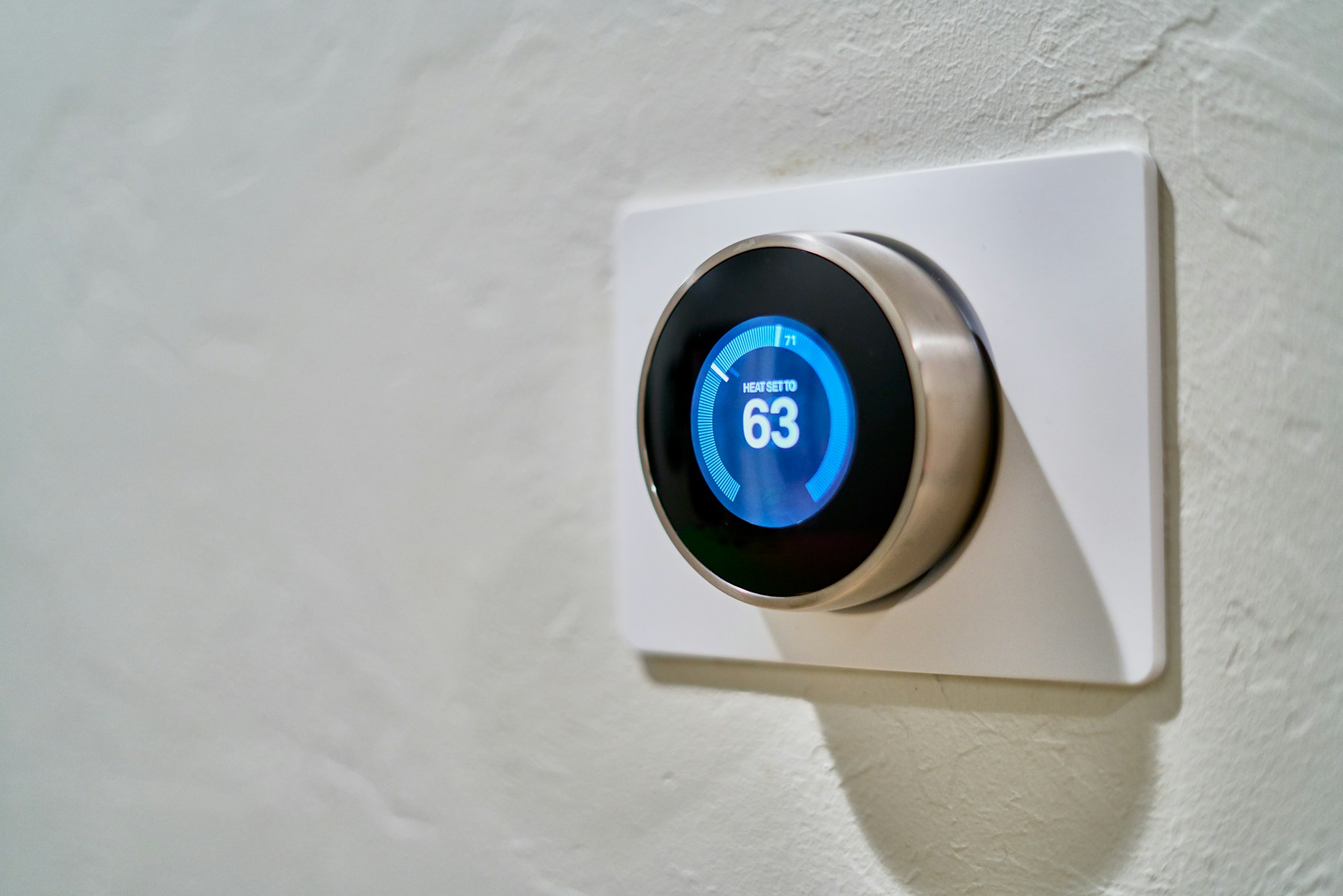
The American Red Cross recommends keeping the thermostat at the same temperature day and night during cold weather, and if you’ll be away, leaving the heat on at no lower than 55°F (American Red Cross). For a rental, that means two settings to decide on: your “vacant” temperature between stays and your “welcome” temperature before check-in.
A smart thermostat makes this much easier. You can set schedules, warm the house before guests arrive, and spot it fast if the heat stops working while the house is empty. If your thermostat lets you limit the range guests can set, use a sensible floor so nobody leaves it at 50 on their way out.
2. Protect the pipes before the first freeze
Citizens Energy Group, the water utility for much of the Indianapolis area, suggests insulating pipes that are exposed to cold air, opening cabinet doors under sinks so warm air can circulate, leaving a thin stream of water running when it’s below freezing, and keeping garage doors closed if water lines run through the garage (Citizens Energy Group).
The Red Cross adds that the pipes most likely to freeze are outdoor hose bibs, sprinkler lines, pipes in unheated areas like basements, crawl spaces, attics, and garages, and pipes along poorly insulated exterior walls (American Red Cross). So walk the house and find yours. Disconnect garden hoses, drain the sprinkler lines the way your installer recommends, and add pipe insulation where you can.
3. Label the main water shut-off
If a pipe does burst, every minute counts. Citizens Energy says shut-off valves are often in the garage, basement, a utility closet, or where the water line enters the house (Citizens Energy Group). Find yours, tag it with a bright label, snap a photo, and add it to your property notes so your cleaner, handyman, or manager can find it in the dark.
While you’re there, check the meter pit lid. Citizens Energy also recommends making sure it’s tightly secured, and keeping an indoor meter area heated with no broken windows nearby.
4. Get the furnace and chimney checked
The U.S. Fire Administration recommends having heating equipment and chimneys cleaned and inspected every year by a professional (U.S. Fire Administration). Book it now, before the HVAC companies get slammed during the first deep freeze. Swap the furnace filter while you’re at it, and keep a spare on the shelf for your cleaning team.
5. Test smoke and carbon monoxide alarms
Winter means furnaces, fireplaces, and closed windows, which makes alarms non-negotiable. The U.S. Fire Administration recommends CO alarms in a central location outside each separate sleeping area and on every level of the home (U.S. Fire Administration). For smoke alarms, it recommends one in every bedroom, outside each sleeping area, and on every level, including the basement, and replacing them 10 years from the manufacture date (U.S. Fire Administration).
Test them before the season and have your cleaning team check them on a regular schedule. The CPSC notes that interconnected CO alarms are best, because when one sounds, they all sound (CPSC).
6. Make the fireplace and space-heater rules crystal clear
A crackling fire looks great in listing photos. It’s also a responsibility. The U.S. Fire Administration says to keep anything that can burn at least 3 feet from heat sources like fireplaces, radiators, and space heaters, and to turn space heaters off when leaving the room or going to bed (U.S. Fire Administration).
Decide what you’ll allow and write it down. If guests can use the fireplace, put simple instructions in the house manual and keep a screen in place. If you’d rather they didn’t, say so plainly. Vague rules are how you end up with a log stacked against the couch.
7. Plan for snow and ice (the city has rules)
Here’s the part a lot of owners miss. Under Indianapolis code, the occupant of a property, or the owner when it’s unoccupied, has to keep the sidewalk in front of it reasonably clear of snow and ice (Indianapolis-Marion County Code Sec. 431-106). The city’s winter page asks residents to clear a 5-foot-wide path, says snow that stops after 7 p.m. should be cleared by 9 a.m. the next morning, and snow that stops after 9 a.m. by 7 p.m. that day, and notes you could be fined $50 (Indy.gov).
Don’t expect a fast plow, either. Mirror Indy reported that under the city’s newer policy, residential streets aren’t plowed until accumulation reaches 4 inches or more (Mirror Indy). So line up a snow removal service or a reliable neighbor now, leave a shovel and pet-safe ice melt by the door, and keep the mailbox area clear too, since the city asks residents to handle that.
8. Seal drafts and refresh the winter supplies
Cold drafts show up in reviews faster than you’d think. Check weatherstripping on exterior doors, add door sweeps where you see daylight, and make sure windows latch tight.
Then stock the winter closet:
- Extra blankets and a throw for every couch
- Spare furnace filters and batteries for alarms and the smart lock
- A snow brush or ice scraper for guests with cars
- A flashlight in an easy-to-find drawer
- Boot trays and a doormat that can handle salt and slush
9. Update your listing and house manual for winter
Tell guests what to expect before they arrive: where to park when it snows, whether the driveway is cleared by a service, how the thermostat works, and who to text if something’s not right. A two-minute winter section in your house manual saves a lot of 11 p.m. messages.
This is also a great time to refresh your photos. A cozy living room shot with blankets and warm lighting sells a winter weekend better than your summer patio does.
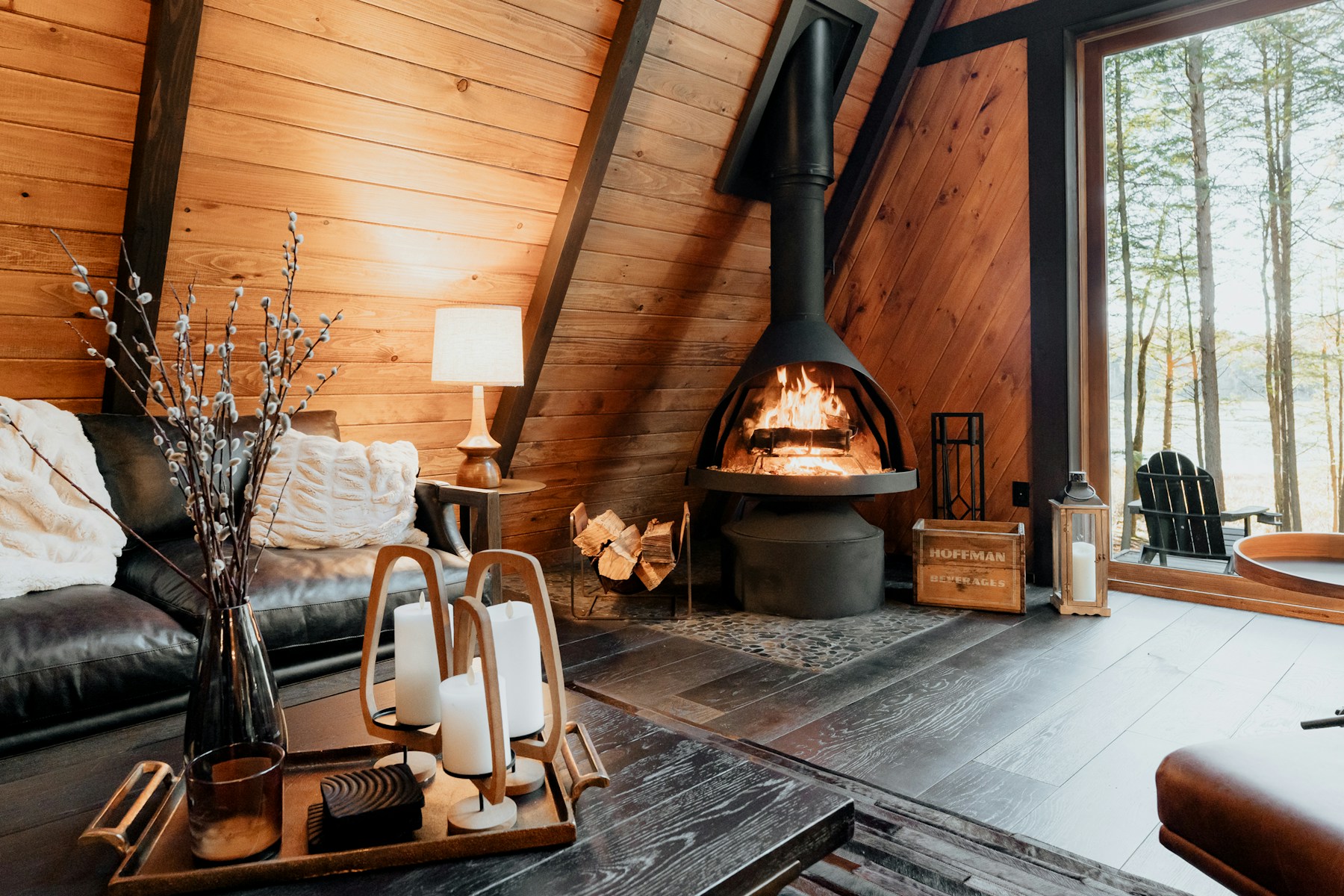
10. Price around Indy’s winter calendar
Winter isn’t a dead season in Indianapolis. Holiday lights, big games at Lucas Oil Stadium, and family visits all bring travelers to town. Our guide to things to do in Indianapolis this winter is a good starting point for spotting busy weekends, and our post on seasonal Airbnb pricing strategies in Indiana walks through how to adjust rates as demand shifts.
Don’t forget midterm stays, either. Travel nurses and corporate guests often book for a month or more, which can help fill the quieter weeks after New Year’s.
11. Have a vacancy and emergency plan
Who checks the house after a deep freeze when nobody’s booked? Who can get there fast if a guest reports no water? If the answer is “me, I guess,” and you live two hours away, that’s worth fixing now.
Put it in writing: a check-in schedule for vacant weeks, a list of go-to plumbers and HVAC pros, the shut-off location, and what guests should do in an emergency. And while you’re getting your paperwork in order, our Indiana innkeeper’s tax guide covers the tax side of running a rental here.
Winter Prep at a Glance
| Task | When | Source |
|---|---|---|
| Furnace and chimney inspection | Before heavy use each season | USFA |
| Test smoke and CO alarms | Before the season, then on a regular schedule | USFA |
| Disconnect hoses, insulate exposed pipes | Before the first hard freeze | Citizens Energy |
| Thermostat floor of 55°F or higher when vacant | All winter | Red Cross |
| Clear a 5-ft sidewalk path | By 9 a.m. or 7 p.m., depending on when snow stops | Indy.gov |
Let Brentwood Handle Your Short-Term Rental This Winter
If this short-term rental winter checklist made you tired just reading it, that’s what we’re here for. Brentwood Property Group is a boutique short- and midterm rental manager in the Indianapolis area. Our team handles in-house cleaning, pricing strategy, listing optimization, and 24/7/365 guest communication, so a cold-weather issue gets attention fast instead of sitting in your inbox.
Curious what your home could earn this winter and beyond? Request a free rental analysis from Brentwood Property Group and let’s talk about your property.
FAQ: Short-Term Rental Winter Checklist
What temperature should I keep a vacant short-term rental at in winter?
The American Red Cross recommends leaving the heat on at no lower than 55°F when you’re away during cold weather (American Red Cross). Many owners set a vacant temperature at or above that and warm the home before check-in.
Do I have to shovel the sidewalk at my Indianapolis rental?
Yes. Indianapolis code requires the occupant, or the owner of an unoccupied property, to keep the sidewalk reasonably clear (Sec. 431-106). The city asks for a 5-foot path and lists a possible $50 fine (Indy.gov).
How do I keep pipes from freezing in an Airbnb?
Citizens Energy suggests insulating exposed pipes, opening sink cabinet doors, running a thin stream of water below freezing, and keeping garage doors closed when water lines run through the garage (Citizens Energy Group).
Where should carbon monoxide alarms go in a rental?
The U.S. Fire Administration recommends CO alarms in a central location outside each separate sleeping area and on every level of the home (USFA).
Can a property manager handle winter prep for me?
Yes. A full-service manager like Brentwood Property Group can coordinate cleaning, guest communication, and maintenance for your short- or midterm rental so winter issues get handled quickly.
Rules and guidance in this post are as of Nov. 16, 2026. City codes, utility guidance, and safety recommendations can change, so check each linked official source before you rely on it.